

Key Takeaways
- Personal care communities provide 24/7 on-site support and built-in social connections.
- Home care allows families to keep their loved ones in familiar surroundings with scheduled assistance.
- Community living offers maintenance-free apartments and structured wellness programs.
- Care needs, social preferences, and family support help determine the right choice.
Find the Right Care Option for Your Loved One’s Needs
When daily tasks become more challenging for your loved one, you might wonder whether to bring care into their home or move them to a supportive community. Both Fieldstone at Chester Springs and similar personal care communities, along with home care services, can help them maintain independence while getting the assistance they need.
Personal care communities and home care differ primarily in setting, available support levels, and social opportunities—with communities offering 24/7 on-site care and built-in connections, while home care provides scheduled assistance in familiar environments.
What Personal Care Communities Offer
Personal care communities provide round-the-clock support with trained staff always available when residents need help. Families can feel confident knowing their loved ones have access to 24/7 on-site nursing care, so medical support is just steps away rather than a phone call and wait time.
These communities create structured wellness programs tailored to different interests and abilities. Residents might join morning fitness classes, afternoon art sessions, or evening social hours. The programming helps them stay active and engaged without having to plan or travel to activities themselves.
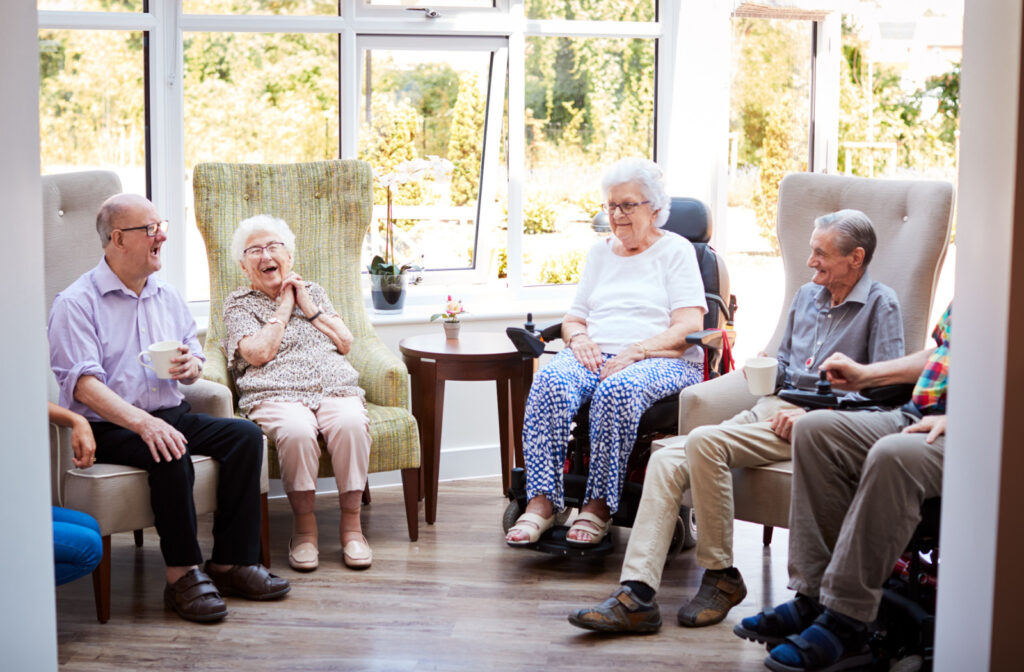
Social connections happen naturally when seniors are surrounded by neighbors who understand their experiences. Shared meals, common areas, and organized events create opportunities for friendships that can reduce feelings of loneliness or isolation.
How Home Care Services Work
Home care brings assistance directly to your loved one’s doorstep on a schedule that works for their needs. Caregivers arrive at predetermined times to help with specific tasks like meal preparation, medication reminders, or personal care needs. Families control the timing and level of service.
This option lets seniors stay in the home where they’ve created memories and established routines. Their furniture, photos, and familiar surroundings remain constant while they receive the support they need to continue living there safely.
Types of Home Care Available
Companion care focuses on non-medical assistance with daily activities. Caregivers can help with light housekeeping, transportation to appointments, meal preparation, and social companionship during visits.
Medical home care involves trained professionals who provide clinical services like wound care, medication management, or physical therapy. These services require specialized training and often involve coordination with healthcare providers.
Respite care gives family caregivers temporary breaks while trained professionals step in. This service can last a few hours or several days, depending on the family’s needs and circumstances.
Key Differences in Daily Living
Community dining means chef-prepared meals served in social dining rooms where residents can enjoy conversations with neighbors. Home care might include meal preparation, but seniors will typically eat alone unless family or friends join them.
Personal care communities offer scheduled activities like fitness classes, educational programs, and social events. With home care, seniors plan their own activities and handle transportation arrangements, which requires more energy and coordination.
Maintenance-free living eliminates worries about home repairs, yard work, or seasonal upkeep. Home care doesn’t address property maintenance, so families need separate arrangements for these tasks or rely on family members.
Social and Safety Considerations
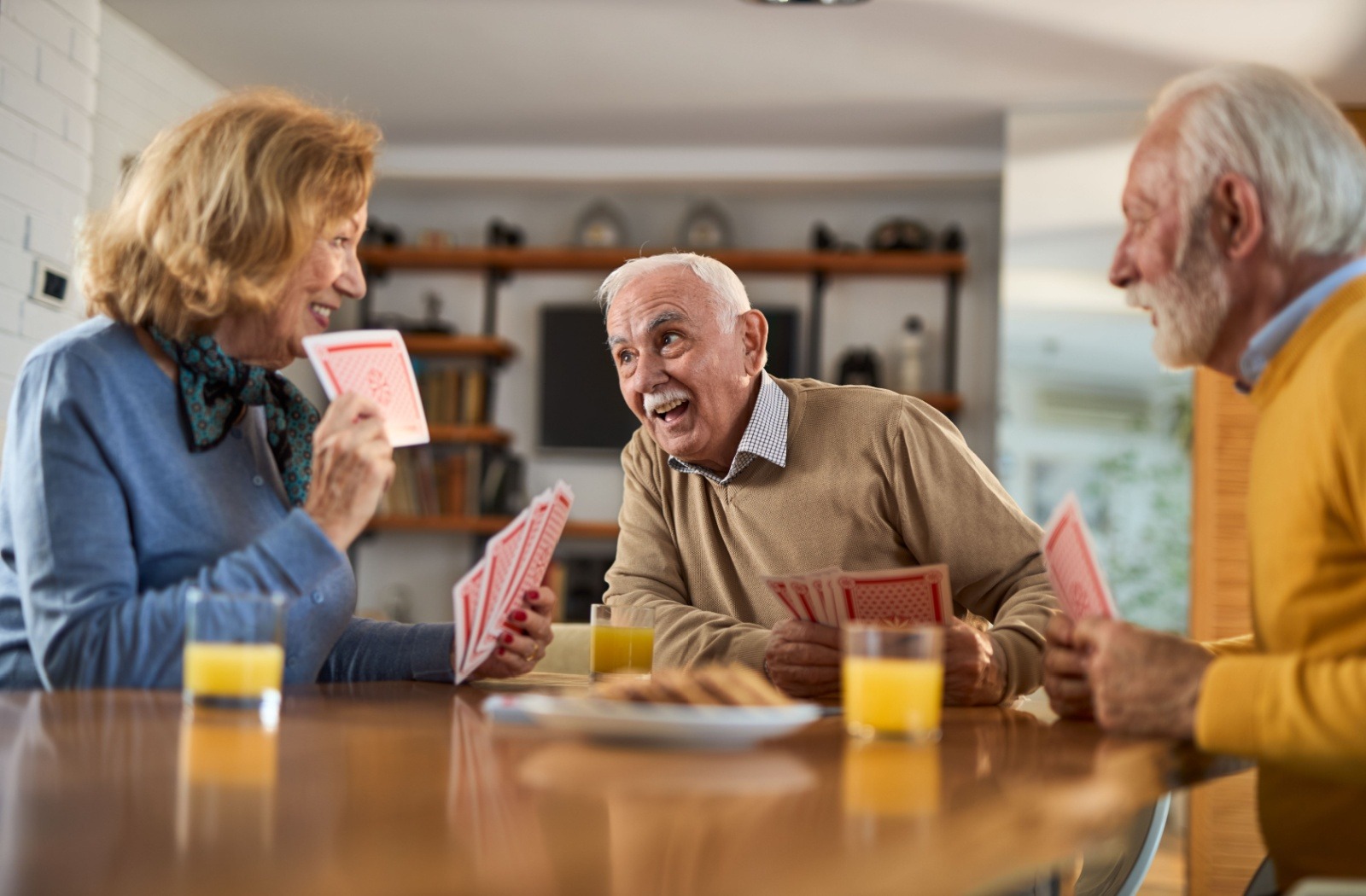
Communities provide built-in opportunities for social connections through shared spaces, organized activities, and neighborly interactions. Home care can sometimes lead to increased isolation, especially if mobility or transportation becomes challenging.
Both options include emergency response systems, but communities offer immediate on-site assistance. At home, emergency systems typically connect to call centers that dispatch help, which may take longer during critical situations.
Make the Right Choice for Your Family
Consider your loved one’s current care needs and how they might change over time. Communities can adapt services as needs increase, while home care may require coordinating multiple providers or eventually transitioning to community living anyway.
Think about their social preferences and daily routines. If your loved one enjoys being around people and participating in group activities, community living might bring more satisfaction. If they prefer privacy and familiar surroundings, home care could feel more comfortable initially.
At Fieldstone at Chester Springs, families can explore personal care and memory care options in a welcoming environment where residents receive individualized attention. Contact the community to schedule a visit to learn more about how personal care might support your family’s needs and goals.