

When you’re considering a senior living community for a loved one, their health and safety are likely your biggest priorities. People want to know how a community supports everyday wellness, notices changes, and responds when something unexpected happens. So, how do personal care homes handle medical emergencies and health monitoring?
Personal care communities use proactive health monitoring, individualized plans, and trained team members to support residents each day. When emergencies occur, clear protocols and 24/7 on-site support help ensure a fast and reliable response. Together, these systems create a steady foundation of wellness and reassurance for families.
Key Takeaways
- Proactive health monitoring means team members pay close attention to each resident’s well-being every day to notice small changes.
- Communities prepare for emergencies with around-the-clock staff, personalized care plans, and coordination with outside healthcare providers.
- A caring team gets to know each resident, observing daily routines and moods to support their overall wellness.
- Support is always tailored to individual needs, whether a resident requires personal care or specialized memory care.
What Proactive Health Monitoring Looks Like in Personal Care
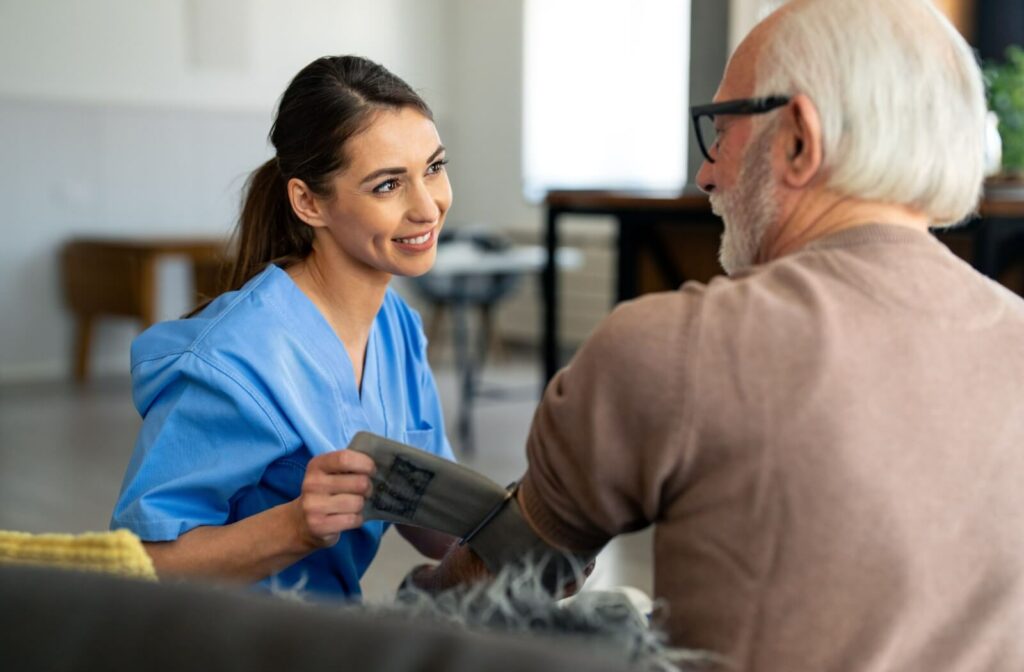
Proactive health monitoring is all about paying close attention to a resident’s well-being each day. Instead of only reacting to problems, the team in a personal care setting focuses on understanding each person’s typical routine. This allows them to notice small changes that might point to a health concern.
Regular Wellness Checks
Team members check in with residents regularly to see how they are feeling. This helps build a trusting relationship and provides consistent opportunities to assess well-being. Small changes in energy, appetite, or mobility often show up during these moments, so team members can easily identify if someone needs more support.
Medication Management and Oversight
Medication reminders and oversight are essential parts of maintaining stability. Team members help organize schedules, offer timely reminders, and ensure medications are taken correctly. This structure helps reduce missed doses or mix-ups. Over time, it supports better health outcomes and helps residents feel confident in their daily routine.
Open Communication with Families
Families appreciate being kept informed about their loved one’s well-being. Personal care communities share updates when needed and maintain open communication channels. This way, you always feel connected and aware. It also offers reassurance that changes or concerns will not go unnoticed.
How Personal Care Communities Prepare for Medical Emergencies
Even though emergencies are unpredictable, families want the comfort of knowing a community is prepared. Personal care homes use structured plans and trained team members to respond quickly and calmly. These systems are practiced regularly to ensure reliability.
How Do Teams Prepare for Medical Emergencies?
Having a clear and practiced plan is fundamental to handling emergencies. Personal care communities have systems in place designed to respond quickly. These plans help team members act effectively when a resident needs immediate medical attention.
Around-the-Clock On-Site Staff
Knowing that team members are on-site 24/7 provides a great sense of security. Help is always available, no matter the time of day or night. This continuous presence is reassuring for both residents and their families.
Personalized Response Plans
Each resident has a personalized care plan that includes important health information. In an emergency, this plan gives responders quick access to the details they need. This focus on personalized support is a core part of the approach to personal care.
Coordination with Healthcare Providers
Personal care communities work closely with outside healthcare professionals when emergencies arise. This coordination helps ensure continuity of care before, during, and after an incident. Physicians, emergency responders, and specialists can provide input as needed. Together, they create a more complete picture of overall wellness.
The Role of a Compassionate Team in Daily Well-Being
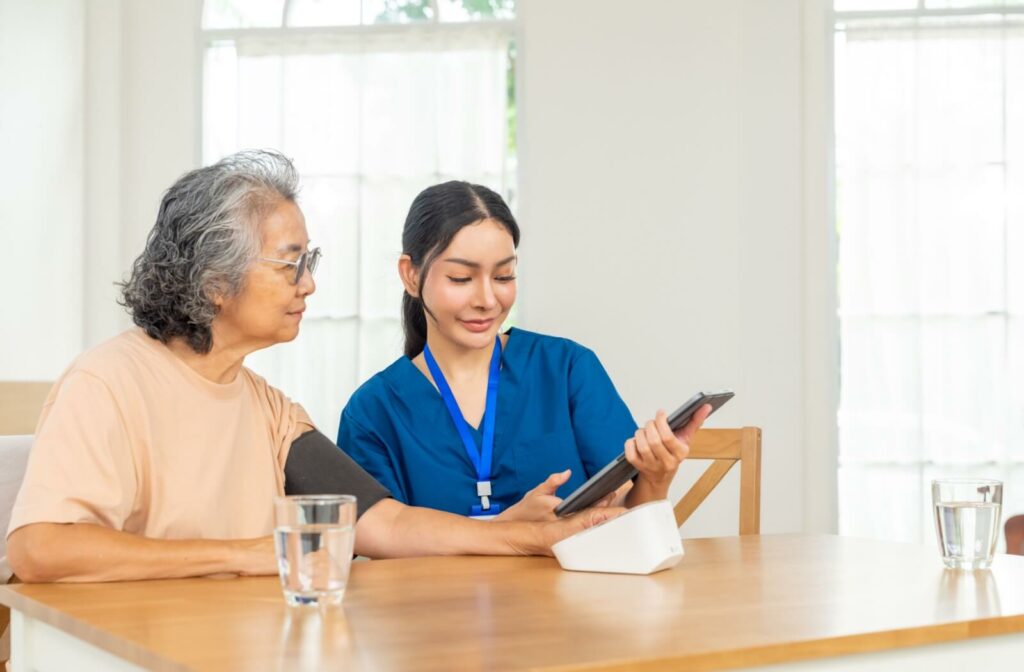
Health monitoring goes beyond scheduled check-ins. It’s woven into the fabric of daily life. It’s rooted in the caring relationships between team members and residents. In a supportive senior living environment, the team is like an extended family.
Observing Daily Routines and Behavior Changes
By getting to know each resident personally, team members can spot changes in appetite, mood, or participation in activities. These observations are often the first sign that something needs attention. It’s a gentle way of looking out for one another.
Encouraging Social Engagement
Staying connected to others has meaningful effects on well-being. Personal care communities offer daily opportunities for conversation, activities, and shared experiences. Team members gently encourage participation without pressure. These interactions help maintain emotional balance, which ties naturally into physical health.
Finding Peace of Mind with the Right Personal Care Community
Choosing a personal care home brings many emotions, especially when health needs are part of the decision. When you feel confident that your loved one is in a caring and prepared environment, you can rest easier. And here at Fieldstone at Chester Springs, we’re happy to provide a safe, supportive, and caring home for every resident.
Here, our team is dedicated to building trust and delivering thoughtful wellness programs every day. We treat residents like our own family, because that’s what they deserve. Schedule a visit today, come explore the community, and see firsthand how our approach to personal care can give your family greater peace of mind.